



7 Benefits of ERP Consulting to Scale Your Business
ERP consulting benefits businesses by providing expert guidance through the selection, implementation, and optimization of enterprise resource planning software. It streamlines operations, ensures data integrity, and facilitates cross-departmental communication, ultimately reducing risks and maximizing the return on your technology investment through professional project management and systems integration.
What are the main benefits of ERP consulting?
One of the primary benefits of ERP consulting is the immediate injection of specialized knowledge into your organization. Most mid-sized businesses do not have an in-house team that specializes in full-scale digital transformations. By partnering with a consultant, you gain access to a reservoir of experience across multiple platforms like NetSuite, QuickBooks, and Sage Intacct. This expertise ensures that the initial setup isn't just a copy of your old, inefficient processes, but a complete modernization of your financial and operational workflows.
Beyond technical setup, the benefits extend into strategic alignment. A consultant looks at your business from a holistic perspective, identifying how different departments—from sales to accounting—interact. This alignment helps in:
- Eliminating data silos between departments
- Reducing manual entry and human error
- Improving real-time reporting accuracy
- Standardizing processes across global offices
- Scaling operations without proportional head-count increases
When you invest in ERP Solutions , you aren't just buying software; you are buying a more efficient future for your company. Consultants ensure that this future is realized by matching the software’s capabilities with your specific business goals, whether you are located in San Francisco, New York, or anywhere in between.
How does an ERP consultant improve business processes?
Process improvement is the heartbeat of a successful ERP project. Often, businesses bring old, clunky habits into a new system, which leads to the same problems but on a more expensive platform. An ERP consultant acts as a neutral third party that audits your existing workflows. They ask the "why" behind every step in your current process to determine if it is necessary or if it can be automated using modern AI tools.
For instance, many firms still rely on manual expense management or disconnected CRM data. A consultant can integrate platforms like Expensify and Salesforce directly into your ERP. This creates a seamless flow where data moves automatically from a sales lead to a closed deal, an invoice, and finally, a reconciled line item in your financial reports.
By re-engineering these processes before the software goes live, you ensure that the system supports the way you should work, not just the way you used to work. This proactive approach saves hundreds of hours in post-launch fixes and training.
The Impact of Systems Integration on Productivity
In today's fragmented software landscape, the true power of an ERP lies in its ability to talk to other tools. Systems integration is a cornerstone of ERP consulting that directly impacts daily productivity. If your accounting software doesn't communicate with your project management tool or your CRM, your team is likely wasting time on "double entry"—typing the same data into two different places.
Consultants specialize in building these digital bridges. For companies using Method or Salesforce for customer relations, integrating these with a financial backbone like QuickBooks or Sage Intacct ensures that the sales team and the finance team are looking at the same numbers. This "single source of truth" eliminates disputes over commission, project budgets, and revenue recognition.
Key integration benefits include:
- Automatic sync of customer contact data
- Real-time inventory updates across sales channels
- Automated invoicing triggered by project milestones
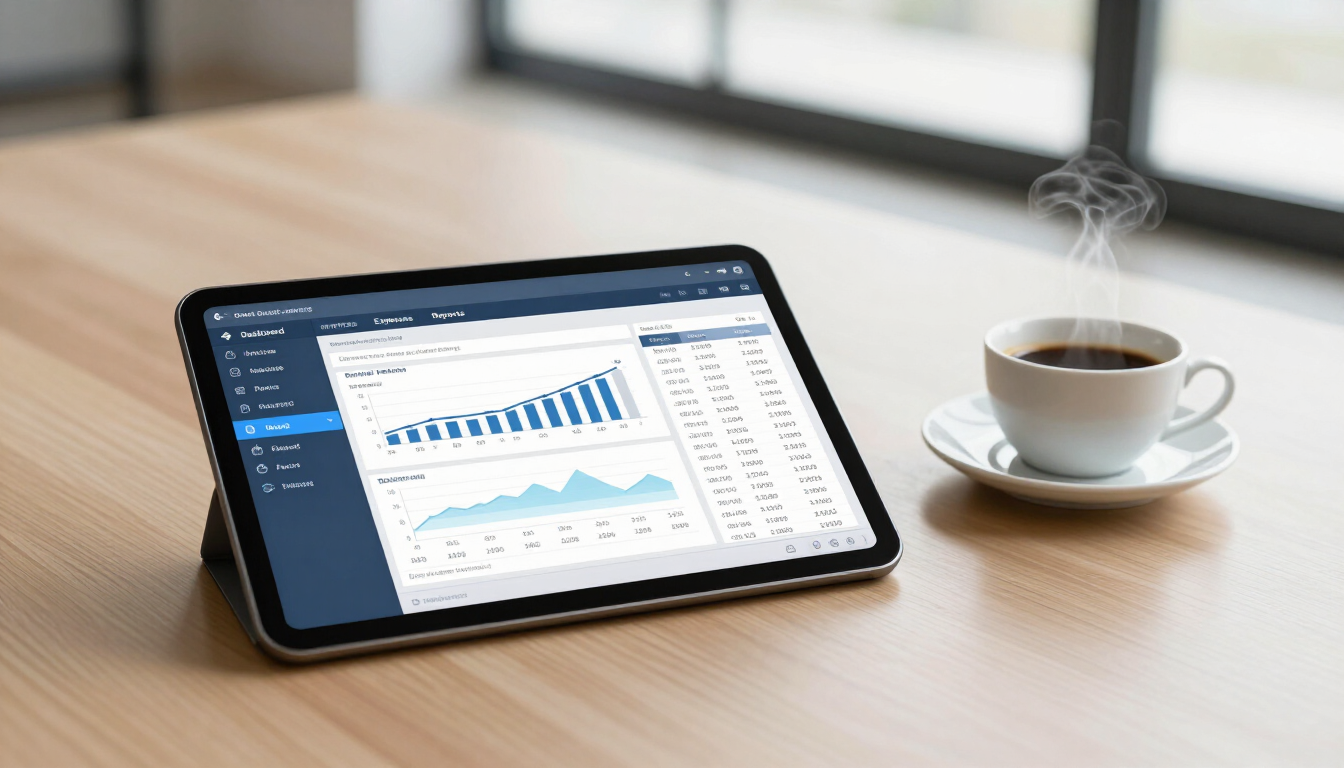
- Unified reporting dashboards for executives
- Simplified compliance through consistent data trails
With expert Services in integration, a business can move from a reactive state to a proactive one. Instead of waiting for month-end reports to see how the business performed, leaders can see live data that allows them to make pivots in real-time.
Why is ERP selection critical for long-term success?
Choosing the wrong software is an expensive mistake that can haunt a company for a decade. The marketplace is crowded with options, each claiming to be the "best" solution. However, the best solution for a manufacturing firm in San Jose is likely very different from the best solution for a creative agency in Los Angeles.
ERP selection consulting involves a rigorous evaluation process. A consultant will gather requirements from every stakeholder in your company, from the CFO to the warehouse manager. They then map these requirements against the features of various platforms to find the closest match. This prevents the common trap of buying a system that is too complex (and expensive) for your needs, or one that you will outgrow in eighteen months.
An objective consultant has no loyalty to a specific software provider. Their only goal is to ensure the software fits your business model, budget, and growth trajectory. This objectivity is perhaps one of the most valuable benefits of ERP consulting, as it protects your capital and your time.
How do consultants manage ERP project risks?
Implementation failure rates are notoriously high in the software world. These failures are rarely due to the software itself; they are usually caused by poor project management, lack of training, or "scope creep." ERP consultants mitigate these risks by serving as the project’s quarterback.
They establish a clear timeline, set realistic milestones, and keep all parties—including the software vendor—accountable. When technical hurdles arise (as they inevitably do), the consultant has the experience to troubleshoot the issue without derailing the entire project.
Risk management strategies often involve:
- Rigorous User Acceptance Testing (UAT)
- Phased rollout plans to minimize disruption
- Comprehensive training programs for all staff
- Data migration audits to ensure accuracy
- Post-go-live support and optimization
By managing the "human element" of change, consultants ensure that your team doesn't just have new software, but that they actually use it effectively. Check out our About Us page to learn more about our philosophy on risk-managed implementations.
Maximizing ROI with Fractional Controllership and Advisory
ERP consulting doesn't end the day the software goes live. In fact, some of the greatest benefits are realized in the months following implementation through ongoing advisory and fractional controllership. As your business grows, your financial needs become more complex. You might need sophisticated financial reporting, AI automation consulting, or help managing a multi-state payroll in New York and California.
A fractional controller works alongside your ERP system to interpret the data it produces. They provide the high-level financial oversight that a small or mid-sized business might not be able to afford on a full-time basis. This includes:
- Developing long-term financial forecasts
- Optimizing cash flow through automated AR/AP
- Ensuring the ERP is utilized for tax compliance
- Evaluating the ROI of new business initiatives
- Training internal staff on advanced system features
This continuous improvement cycle ensures that your ERP remains an asset rather than a legacy system that slowly becomes outdated. It’s about maintaining a competitive edge through technology and expert financial guidance.
A Strategic Roadmap for ERP Implementation
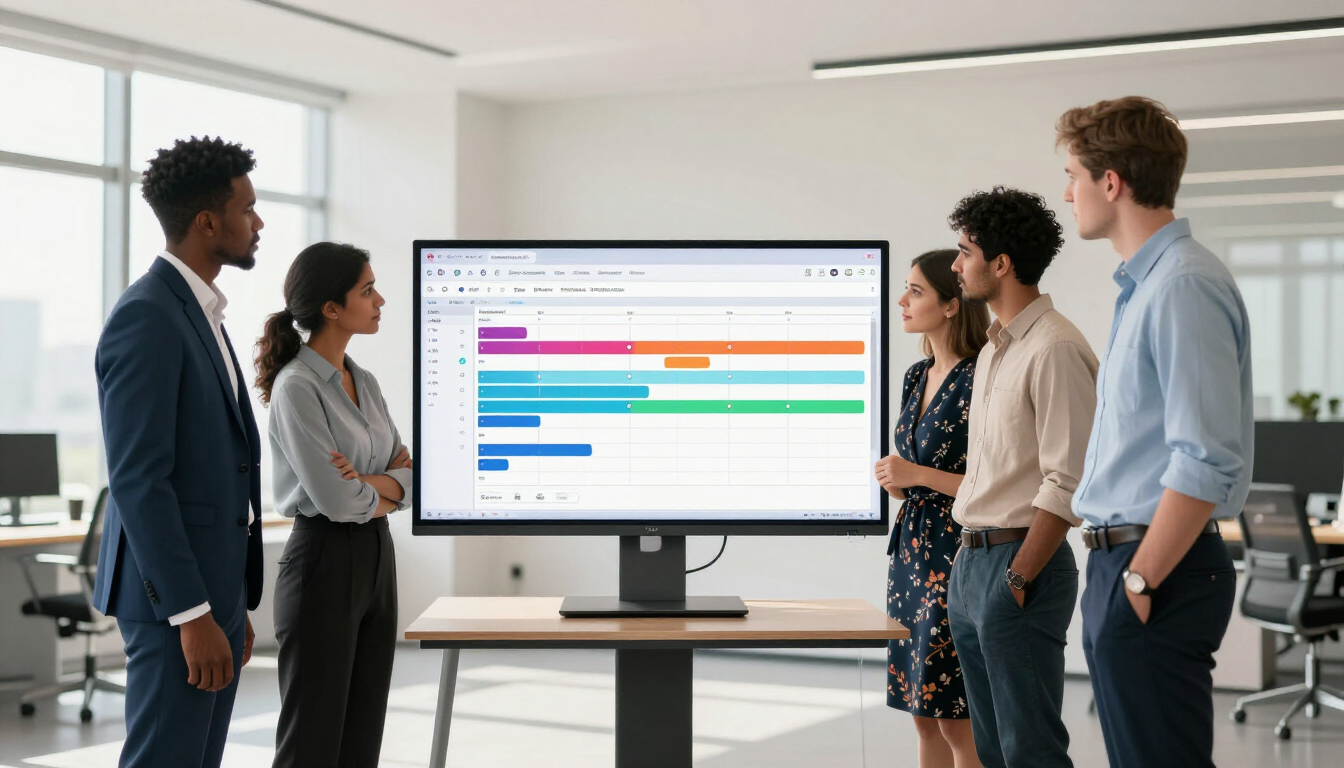
Successful consulting follows a proven methodology. While every business is unique, the roadmap usually consists of several distinct phases designed to ensure nothing is missed. When you Contact an expert firm, you can expect a journey that looks something like this:
- Discovery: Understanding your current pain points and business goals.
- Selection: Identifying the right software stack (NetSuite, QuickBooks, etc.).
- Design: Architecting the workflows and integration points.
- Development: Configuring the system and migrating data.
- Deployment: Training users and going live with expert support.
Following this structured path is the only way to guarantee the long-term benefits of ERP consulting. It turns what could be a chaotic transition into a managed, strategic evolution of your business infrastructure.
Summary: Transforming Your Business Through Expert Guidance
ERP consulting is the bridge between purchasing a piece of software and actually achieving a digital transformation. By focusing on selection, integration, and process improvement, consultants help businesses in major hubs like San Francisco and New York scale efficiently and maintain financial clarity. The benefits are clear: reduced operational costs, better data for decision-making, and a system that grows alongside your company.
Key Takeaways:
- Consultants provide objective software selection to prevent expensive mismatches.
- Systems integration creates a single source of truth across all platforms.
- Professional project management drastically reduces the risk of implementation failure.
- Ongoing advisory ensures your ERP stays optimized as your business evolves.
If you are ready to modernize your operations, visit our Blog for more insights or reach out to start your ERP journey today.